Understanding Direct Primary Care
Direct Primary Care (DPC) is a model gaining traction for its simplicity and patient-focused approach. If you're new to this concept, let's break down what it offers and why it could be the right choice for you.
What is Direct Primary Care?
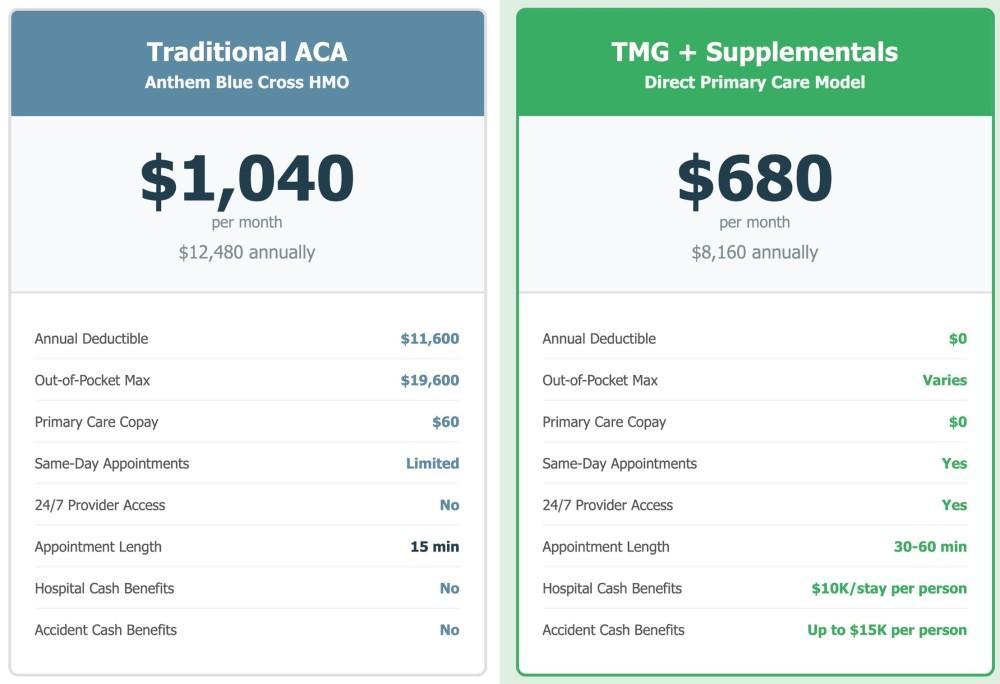
DPC offers an alternative to traditional health insurance by providing direct access to your primary care physicians through a membership model. You pay a flat monthly fee, which covers most primary care services. This means you can enjoy visits without the added stress of copays or deductibles. Imagine having the freedom to contact your doctor for a question or concern without worrying about unexpected costs. This model allows doctors to focus on you, providing personalized care tailored to your health needs.
Benefits for Families and Small Businesses
Families and small businesses stand to gain significantly from DPC. For families, this means more time with your doctor. You can expect longer visits, proactive wellness checks, and a partner in navigating your health journey. Businesses benefit by offering employees a health plan that reduces absenteeism and boosts morale. This approach is not just about immediate care but preventive care, ensuring that minor issues don't balloon into major problems. For small businesses, DPC can be a cost-effective way to provide meaningful health benefits to your team.
Direct Primary Care vs. Concierge Medicine
You might wonder how DPC differs from concierge medicine. Both emphasize personalized care, but with DPC, the focus is on affordability and access without luxury extras. While concierge practices may charge high fees for premium services, DPC keeps it simple with a budget-friendly approach. The essence of DPC is meeting your routine health needs efficiently and effectively, without the frills.
Pairing DPC with Insurance
Understanding how DPC fits with insurance can help you make informed decisions about your healthcare. Let's delve into how DPC works alongside high-deductible plans and catastrophic insurance.
High-Deductible Health Plans Explained
High-Deductible Health Plans (HDHPs) are insurance plans with lower premiums and higher deductibles. They are designed to cover serious health issues but require you to pay more out-of-pocket costs upfront. Pairing an HDHP with DPC can fill this gap. With DPC, you manage your routine healthcare needs without dipping into your deductible, saving you money in the long run. This combination can be ideal for those who want to keep insurance costs low while ensuring high-quality primary care.
Catastrophic Insurance Pairing Tips
Catastrophic insurance is meant for serious emergencies. It comes with low monthly premiums and a high deductible, covering you mainly for worst-case scenarios. Pairing DPC with catastrophic insurance offers a safety net for everyday health needs and major medical events. This combination ensures you have comprehensive care without breaking the bank, providing peace of mind that you're covered for both regular check-ins and unexpected emergencies.
Budgeting for DPC and Insurance
When budgeting for healthcare, combining DPC with insurance can provide a balanced approach. Start by assessing your healthcare needs and financial situation. Calculate the total cost of DPC membership alongside potential insurance premiums. Many find that the predictability of DPC's flat fees, combined with strategic insurance planning, allows for better financial management and more reliable healthcare access.
Getting Started with DPC
Ready to explore DPC further? Here are the practical steps to enroll, what to expect initially, and resources to help you along the way.
Steps to Enroll in DPC
-
Research Providers: Identify local DPC providers and compare their services.
-
Schedule a Consultation: Meet with potential providers to discuss their offerings and how they align with your needs.
-
Choose a Membership: Select a plan that fits your budget and health requirements.
-
Complete Enrollment: Sign up and set up your membership, ensuring you understand the terms and benefits.
First 90 Days: What to Expect
The first three months in a DPC model focus on establishing a strong patient-provider relationship. You'll likely have an initial comprehensive health assessment. This is a chance to discuss any ongoing concerns or health goals. Expect open communication with your doctor, with ample opportunities to ask questions and receive guidance. The emphasis will be on preventive care, helping you maintain good health and avoid potential issues before they arise.
Resources for Families and Employers
For families, resources such as health education workshops and wellness checklists can be valuable. Employers can access tools for integrating DPC into employee benefit plans, ensuring it aligns with company goals. Many DPC providers offer additional support through newsletters, health tips, and community events. These resources empower you to take an active role in your health journey, providing knowledge and support every step of the way.
Author
 Temecula Medical Group
Place of Healing: We strive to make our clinic a healing space for all of our patients through compassionate care and active listening.